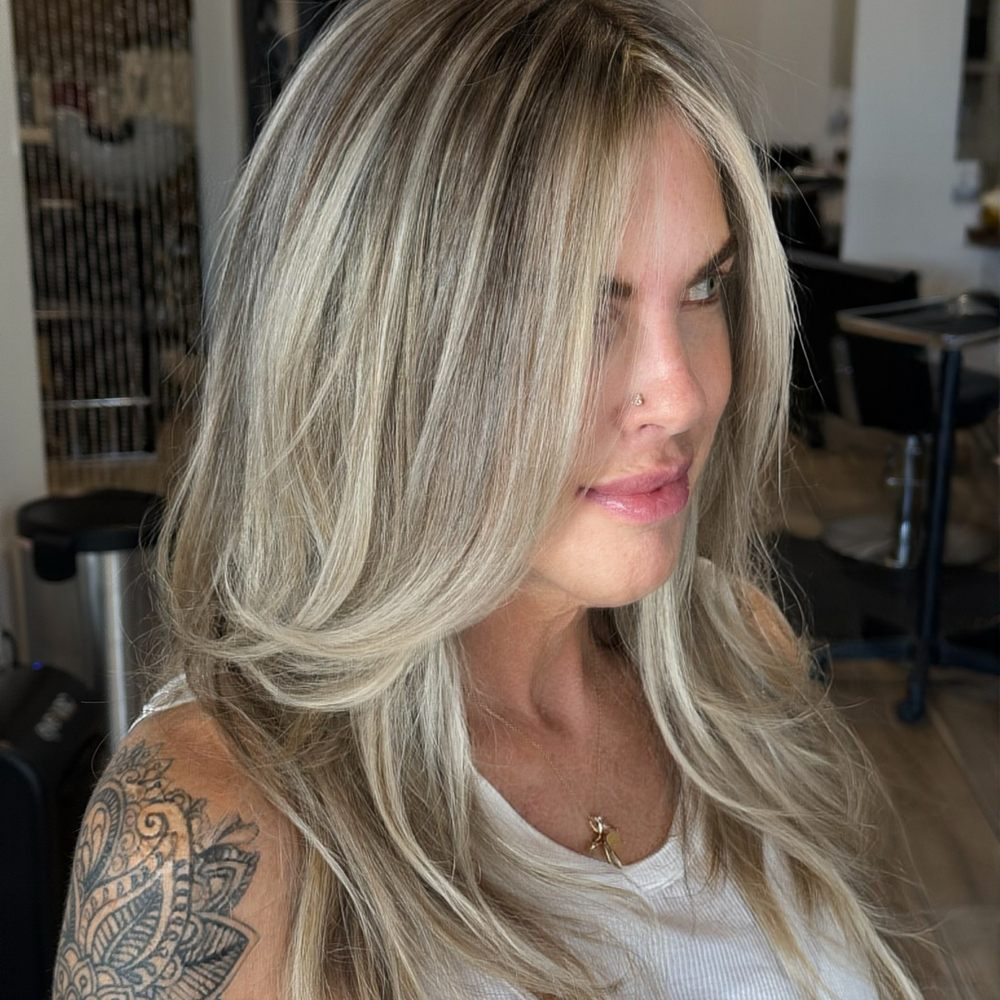
We see a lot of different hair types come through our salon doors, and the best cut is always one that works with your life, not against it.
Considering Your Hair and Lifestyle
Before settling on a specific cut, it helps to think about how your hair behaves naturally and what your daily routine looks like. This initial conversation with your stylist is crucial for a result you’ll genuinely love.
Hair Texture and Density
Fine hair, for instance, often benefits from blunt cuts and subtle layers that create the illusion of fullness. Over-layering fine hair can make it look thinner. Thick hair, on the other hand, usually needs strategic layering to remove bulk and create movement, preventing it from looking heavy or triangular. If you have naturally curly or wavy hair, the cut needs to enhance your curl pattern, not fight it. Cutting curly hair dry can often give a more accurate result, allowing the stylist to see how the curls naturally fall.
Daily Styling Effort
Are you someone who loves spending time with a blow dryer and styling tools, or do you prefer a wash-and-go approach? This is a major factor. A highly styled bob might look fantastic in a magazine, but if you air-dry your hair most days, it could end up looking completely different. We can suggest cuts that minimize effort, like those that work with your natural texture, or cuts that provide a great foundation for more involved styling, depending on your preference.
Maintenance and Grow-Out
Think about how often you want to visit the salon. A sharp, precise bob or a short pixie cut will require more frequent trims (every 4-6 weeks) to maintain its shape. Longer styles with softer layers might allow for more time between appointments (8-12 weeks), as the grow-out is often more forgiving. Regular trims are essential not just for shape but also for keeping ends healthy, especially in Roseville’s dry climate, which can make hair more prone to split ends.
Popular Haircuts We See in Roseville
Roseville clients often look for styles that are chic, manageable, and adaptable to both professional settings and casual weekends. Here are a few consistent favorites and what makes them work.
The Modern Shag
This cut is all about texture and movement, characterized by layers that are shorter around the face and gradually get longer. It’s incredibly versatile and works well for many hair types, from fine to thick, and straight to wavy. The key is how the layers are cut to enhance natural texture, reducing styling time. It’s excellent for adding volume to flatter hair and can soften stronger jawlines. The modern shag grows out gracefully, making it a lower-maintenance option.
The Textured Lob (Long Bob)
The lob continues to be a go-to for its universal appeal. Sitting anywhere from the collarbone to just above the shoulders, it offers the chicness of a bob with more styling flexibility. Adding subtle, internal layers creates movement and texture without sacrificing length. It’s a fantastic choice for those transitioning from longer hair or wanting a sophisticated yet effortless look. This cut works well for most face shapes and hair densities, especially when customized with fringe or face-framing pieces.
Face-Framing Layers
Sometimes, a full haircut isn’t what’s needed, but rather an enhancement to existing length. Face-framing layers can completely transform a look without taking much off the overall length. These layers start around the chin or collarbone and blend seamlessly into the rest of the hair. They add softness, movement, and can highlight your features. It’s particularly effective for longer hair that feels a bit lifeless or heavy.
The Blunt Cut
A blunt cut creates a strong, clean line at the bottom, making hair appear thicker and fuller. This style is particularly striking on fine to medium hair, as it maximizes density. It can be worn at any length, from a classic blunt bob to a long, sleek cut. While it looks low-maintenance, a truly sharp blunt cut requires regular trims to keep the line crisp and prevent straggly ends. It’s a bold choice that exudes confidence.
The Pixie Cut
For those ready for a dramatic change, the pixie cut offers undeniable style and freedom. Modern pixies often feature softer edges, longer pieces on top for styling versatility, or an undercut for a bolder statement. It’s incredibly liberating in terms of styling time but does require more frequent salon visits to maintain its precise shape. A skilled stylist will tailor the length and texture of a pixie to complement your facial structure and hair type.
What to Expect at Your Haircut Appointment
A great haircut experience starts with clear communication. We aim to make sure you feel heard and confident in the process.
The Consultation Process
We always begin with a thorough consultation. This is your chance to share your ideas, concerns, and lifestyle habits. Bringing reference photos is incredibly helpful—not just of cuts you love, but also ones you *don’t* like. We’ll discuss your hair’s history, its current condition, and what you’re hoping to achieve. We’ll also consider how your hair falls naturally, your growth patterns, and your face shape to recommend a cut that truly suits you.
During the Haircut
Depending on the style, your hair might be cut wet, dry, or a combination of both. For example, some stylists prefer to cut initial length when hair is wet for precision, then refine layers and texture once it’s dry to see how it naturally falls. We use professional tools and techniques to ensure a clean, precise cut. You can expect a comfortable, relaxing experience in our salon environment.
Styling and Product Guidance
After the cut, we’ll style your hair and show you how to recreate the look at home. This isn’t just about making it look good when you leave; it’s about empowering you to manage your new style every day. We’ll recommend specific products that will work best with your hair type and new cut, explaining how to use them effectively. Don’t hesitate to ask questions during this step!
Choosing the Right Stylist in Roseville
Experience and Specializations
Look for a stylist whose portfolio or salon information suggests experience with the types of cuts you’re interested in. Some stylists excel at precision cutting, while others might specialize in textured or curly hair. A versatile stylist can adapt to many needs, but knowing their strengths can help you find a great match.
Communication Style
A good stylist listens carefully and asks clarifying questions. They should be able to translate your ideas into a practical cut, offering honest advice about what will work for your hair and lifestyle. If a stylist seems to rush the consultation or doesn’t fully grasp your vision, it might not be the best fit.
Salon Environment
The atmosphere of the salon also plays a role. Do you prefer a quiet, intimate setting or a more bustling, energetic space? Cape Cod Hair Design aims to provide a welcoming and professional environment where you can relax and enjoy your hair transformation.
Ready for a New Look?
A fresh haircut can truly revitalize your style and confidence. The right cut in Roseville, CA, is one that not only looks great but also fits seamlessly into your everyday life. If you’re considering a change or a refresh, a consultation is the perfect way to explore your options and discover what will work best for your hair.
Ready to discuss your next women’s haircut? Visit Cape Cod Hair Design to schedule a consultation and let us help you achieve a look you’ll love.
Frequently Asked Questions
How often should I get a trim for my haircut?
The frequency of trims depends on your haircut’s style and your hair’s growth rate. Short, precise cuts like pixies or bobs typically need trims every 4-6 weeks to maintain their shape, while longer styles with layers can often go 8-12 weeks between appointments. Regular trims also help keep your ends healthy and prevent split ends.
What should I bring to my haircut consultation?
Bringing a few reference photos of haircuts you like (and even some you don’t) is incredibly helpful for your stylist. Also, be prepared to discuss your daily styling routine, how much time you spend on your hair, and any concerns you have about your hair’s condition or texture.
Can a haircut make my thin hair look thicker?
Yes, a well-executed haircut can make thin hair appear much thicker. Blunt cuts, which create a solid baseline, and strategic layering can add volume and fullness. Avoiding excessive layering, which can thin out fine hair, is also key to achieving a thicker look.
Leave a Reply